

Must be Present to Win
May 20, 2026
You’ll Know it When You Get There
June 3, 2026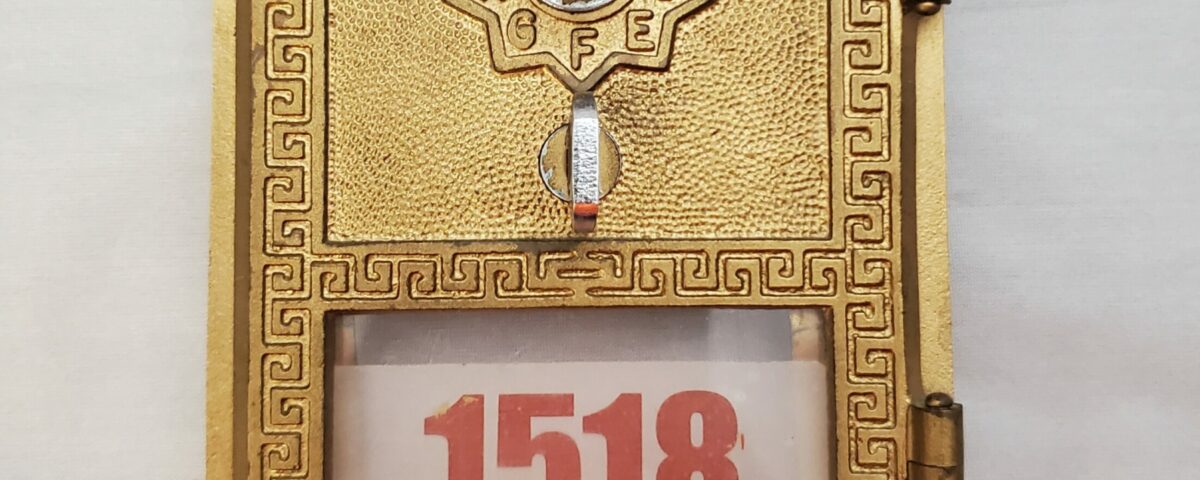
My college mailbox—number 1518—was tucked into the Holland Union Building at Dickinson College. For years, it was a small but meaningful part of my life. I loved checking it, anticipating letters from family, friends, and the occasional slip notifying me of a package. It represented connection, possibility, and the small joys of student life.
Later in life, I had recurring dreams about that mailbox—but in the dreams, I couldn’t remember the combination. I’d be standing in front of it, frustrated, unable to open it. Looking back, I think the mailbox became a symbol of those moments when I felt stuck in real life: trying to unlock progress, solve a problem, or break through a barrier.
So it came as a surprise—and a bit of poetic symmetry—when I received an email from the college saying they were auctioning off the old mailboxes. And yes: number 1518 was available.
This time, I could open it.
Something about physically unlocking that box brought an emotional sense of closure. What had once been a symbol of frustration became a source of satisfaction and reflection. It reminded me that we all carry unresolved threads from earlier parts of our lives—and that when we find a way to revisit them, we can often make peace with them.
How leaders can turn reflection into progress:
- Revisit unfinished conversations or goals. Closure isn’t just personal—it’s professional, too. Follow up on that lingering project or relationship that deserves another look.
- Create symbolic moments of resolution. Retire old practices with intention, celebrate milestones, or acknowledge transitions meaningfully—they help teams feel complete and ready for what’s next.
- Honor emotional touchpoints in your story. Reflecting on what shaped you—and sharing that with your team—can build empathy, authenticity, and deeper leadership presence.