
Your “Jerry Maguire” Moment
November 18, 2026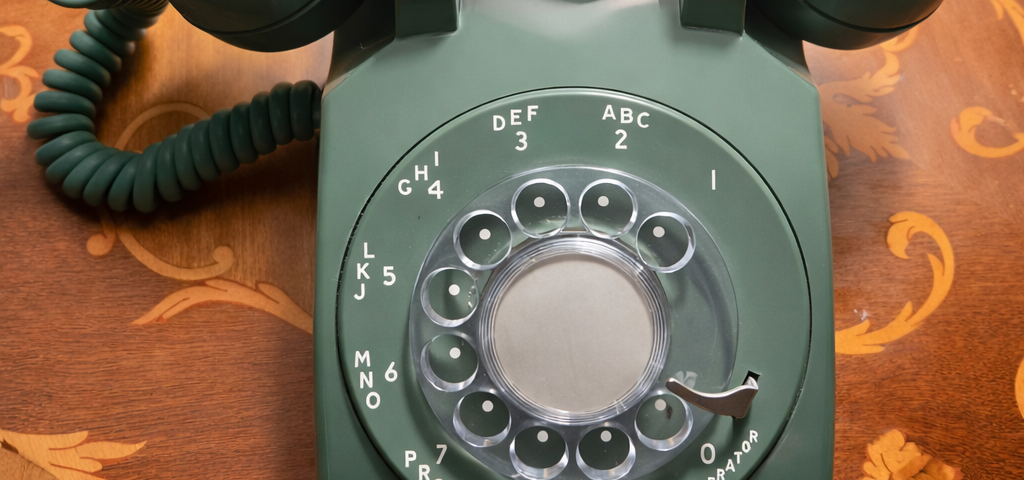
I recently read an article about a trend in people’s homes. Some are creating “analog rooms” or “analog spaces.” These are device-free rooms. No screens. No digital distractions.
The reason is easy to understand.
A lot of people feel worn out.
They’re tired of being attached to digital things.
It made me think of three observations.
First, these rooms can reconnect generations. People who live in the same home spend time together again. Some grandparents even visit more often. They enjoy spaces where people interact without phones nearby.
Second, these spaces aren’t empty. They’re filled with analog objects. Old-fashioned clocks. Table radios. Musical instruments. Stereo equipment with real turntables.
Third, there’s something bigger going on. As AI pushes us into the future, people are rediscovering the past. Some are returning to things they used to love. Others are discovering them for the first time.
It’s good to know that older things still have value. And it’s good to see them returning in ways that matter.
They can help us reconnect with each other.
They can also help us reconnect with ourselves.
Three ways leaders can apply this at work:
1) Create an “analog pocket” in your day.
Pick one short block of time.
Ten to twenty minutes is enough.
No email. No Slack. No phone.
Use it for planning, prioritizing, or problem-solving.
You’ll often get more done in less time.
2) Make some meetings device-free on purpose.
Not every meeting needs it.
But some do.
Try it for team check-ins or sensitive conversations.
Ask people to keep phones off the table.
You’ll get better listening, faster alignment, and fewer misunderstandings.
3) Use analog tools for the work that needs clear thinking.
When something is complex, start with paper.
A simple written list.
A sketch of options.
A few bullet points on a whiteboard.
It slows you down in a good way.
It can reduce mental clutter and sharpen decisions.